630-584-4800

-

- Home
- Our Firm
- Divorce
- The Illinois Divorce Process
- Grounds for Divorce
- Alimony / Maintenance
- Child Custody / Parental Responsibilities
- Parenting Time
- Child Support
- The Stay at Home Parent and Divorce
- Property Division
- High Asset Divorce
- Tax Implications of Divorce
- Divorce for Older Couples
- Uncontested Divorce
- High Conflict Divorce
- Change in Venue or Jurisdiction
- Subpoenas
- Annulments
- Post Divorce Modifications
- Post Divorce Enforcement and Contempt of Court
- Workers Compensation Claims and Personal Injury Claims in Divorce Cases
- Family Law
- Criminal Defense
- Blog
- Media
- Contact

Filing a Petition for Dissolution of Marriage in Kane County
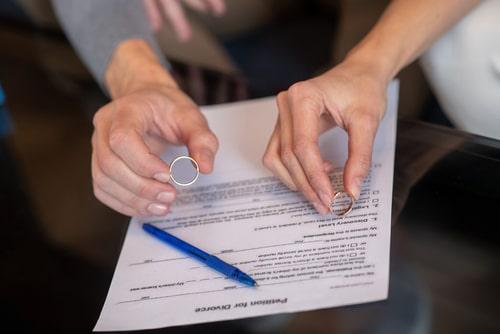
For those who have never been divorced, the divorce process can seem daunting and confusing. How do I file for divorce? What happens if my spouse serves me divorce papers? Can I refuse to sign the divorce petition? These are just some of the many questions that people seeking a divorce in Kane County, Illinois, may ask.
Divorce is a complicated, multi-step process where any small error can delay the proceedings. For legal help, consider working with a St. Charles, IL family law attorney at Goostree Law Group. We have decades of legal experience handling difficult divorces, so you can rely on us to provide you with clear guidance.
What Does the Divorce Petition Do in an Illinois Divorce?
The first official step in the divorce process is filing the divorce petition or "Petition for Dissolution of Marriage," as it is called in Illinois. Either spouse may file for divorce. Illinois is currently a no-fault divorce state, so there is no need to list the specific reasons for seeking a divorce. The only ground for divorce in Illinois is irreconcilable differences.
How Is Service of Process Handled in Illinois Divorces?
The person who initiates the divorce and files the petition is the petitioner. The other spouse, called the respondent, responds to the divorce petition. He or she must file an Appearance form and an Answer form within 30 days of receiving the petition.
If the petitioner cannot find the other spouse, the divorce does not automatically stop. Illinois courts allow other ways to complete service of process when a spouse cannot be located after reasonable efforts. The petitioner may need to show the court that he or she tried to find the missing spouse by checking last known addresses, contacting family members, reviewing public records, or attempting service at possible workplaces. If those efforts fail, the court may allow service by publication.
Spouses may choose not to respond to the divorce petition. However, failing to respond means that they are choosing not to participate in the divorce process. In a situation like this, the petitioner may be granted a default judgment and given whatever divorce outcome he or she requests.
How is the Outcome of an Illinois Divorce Determined in 2026?
Spouses must address several important matters during divorce. The division of assets and debts deals with how spouses will divide marital property. The more complex the spouses' financial portfolios, the more complicated the asset division process is. If the spouses share children, they must figure out how to divide parental responsibilities and parenting time. Spousal maintenance, also called spousal support, may also be a relevant factor in the divorce case.
Divorcing spouses have the right to negotiate their own agreements on divorce issues without the court's involvement. However, if the spouses cannot agree on one or more issues, the divorce case could end up in trial. Divorce trials are quite rare. In most cases, the spouses' respective attorneys are able to negotiate on their clients' behalf and reach a conclusion both parties are satisfied with.
What Happens When Property Division Goes to Trial During an Illinois Divorce?
If spouses cannot agree on how to divide property, the issue may go to trial. At trial, each spouse can present evidence about income, debts, bank accounts, retirement funds, real estate, personal property, and other assets. The judge will then decide how the marital estate should be divided.
Illinois uses equitable distribution (750 ILCS 5/503). This does not always mean a 50/50 split. Instead, the judge looks for a fair result based on the facts. The court may consider each spouse’s income, needs, age, health, financial future, and role during the marriage. The judge may also look at whether one spouse gave up work or career growth to care for children or support the household.
A trial can give both sides a chance to be heard. But it can also be stressful, expensive, and uncertain. Once the judge makes a decision, each spouse must follow the court’s order.
How Does Divorcing With Children in Illinois Affect the Divorce Process?
When parents divorce in Illinois, the court must decide issues involving parenting time and decision-making responsibility if the parents cannot agree. The court does not make these choices based on what either parent wants most. The main focus is the child’s best interests.
This means the judge looks at what will best protect the child’s health, safety, stability, and emotional needs. The court may consider the child’s relationship with each parent, the child’s adjustment to home and school, each parent’s ability to cooperate, and any history of abuse, neglect, or serious conflict. The court may also consider the child’s wishes, depending on the child’s age and maturity.
Illinois law lists several best interest factors for decision-making responsibility and parenting time (750 ILCS 5/602.5 and 750 ILCS 5/602.7). These factors help the court look at the whole picture. A parent does not need to be perfect. But each parent should show that he or she can meet the child’s needs and support a healthy relationship with the other parent when safe and appropriate.
When Can a Spouse Appeal in a Divorce Case in Illinois?
A spouse may be able to appeal a divorce order if he or she believes the trial court made a legal error. An appeal is not a second trial. The appellate court usually does not hear new witnesses or review new evidence. Instead, it reviews what happened in the trial court.
A spouse may appeal issues involving property division, child support, spousal maintenance, parenting time, or decision-making responsibility. But disagreeing with the judge is not enough. The spouse must usually show that the judge applied the law incorrectly, abused his or her discretion, or made a decision that was not supported by the evidence.
Appeals also have strict deadlines. A spouse who waits too long may lose the right to appeal. This makes it important to speak with an attorney as soon as possible after a final order is entered. An attorney can review the order, explain whether an appeal may be realistic, and help protect the spouse’s rights.
Contact a St. Charles, IL Divorce Lawyer
Divorce can be complex and overwhelming. Fortunately, you do not have to deal with everything on your own. Goostree Law Group can provide you with exceptional legal advocacy and advice. Call our knowledgeable Kane County, IL family law attorneys at 630-584-4800. Set up a free consultation today.

Schedule a Consultation Today
Complete the contact form below or call us at 630-584-4800 today.
630-584-4800
555 S. Randall Road, Suite 200
St. Charles, IL 60174
Follow Us